Our workshops have been embraced by researchers from the world's top research institutes.

5-day online workshop
This five-day intensive takes you from the basics of ORCA installation and basis set selection to mastering complex molecular simulations. You will learn to build intricate organic and organometallic structures, perform geometry optimizations, and predict IR and TDDFT spectra with high precision. By the end of the workshop, you will be able to conduct detailed chemical reaction analyses and apply advanced methods like spin-orbit coupling to study cutting-edge TADF materials.
Limited seats only!
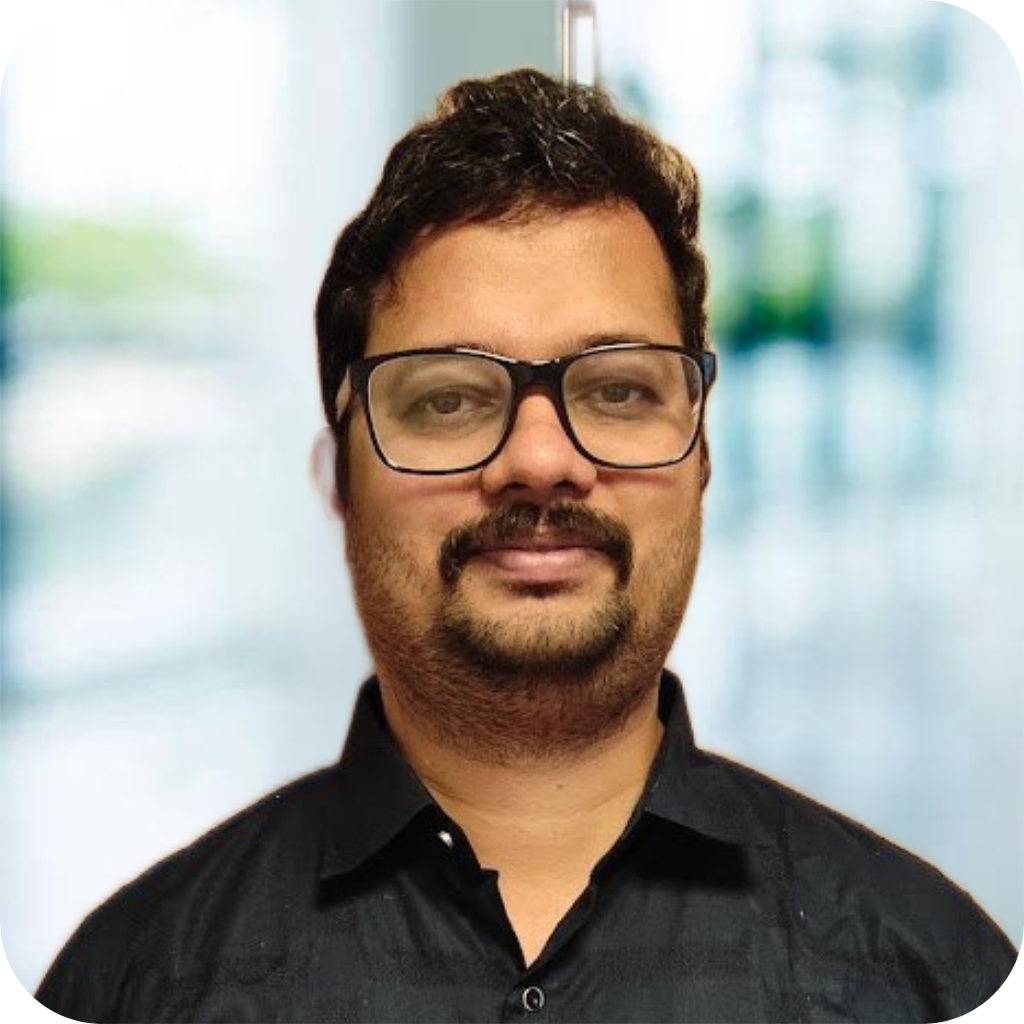
Dr. Subrahmanyam Sappati
Dr. Subrahmanyam Sappati has been a tenure-track faculty member at the Department of Physical Chemistry, Gdańsk University of Technology, Poland, since 2021.
His interdisciplinary research integrates biophysics, chemistry, and materials science, with a focus on molecular dynamics, proton transfer, and drug development. He has made notable contributions to understanding hydrogen bonding in antitubercular drugs, fluorescence dynamics in biomolecular complexes, and the development of carbon-dot-based sensors.
Currently, he leads a project investigating the structural specificities of fungal and human topoisomerase II to guide drug design. Earlier, he examined hydrogen bonding in the antitubercular drug bedaquiline and studied membrane dynamics at the Raman Research Institute (2020-2021).
In his first postdoctoral position (2019-2020) at IISER Thiruvananthapuram, he focused on force-field parameterization. Dr. Sappati earned his Ph.D. from IISER Pune in 2019, where he explored nuclear quantum effects in cancer inhibitors and Descriptors for Predicting Efficient Dye-sensitized Semiconductor Photocatalysts for Hydrogen Evolution Reaction.
With years of experience in quantum chemistry and electronic structure calculations, his courses deliver profound insights and unmatched expertise.
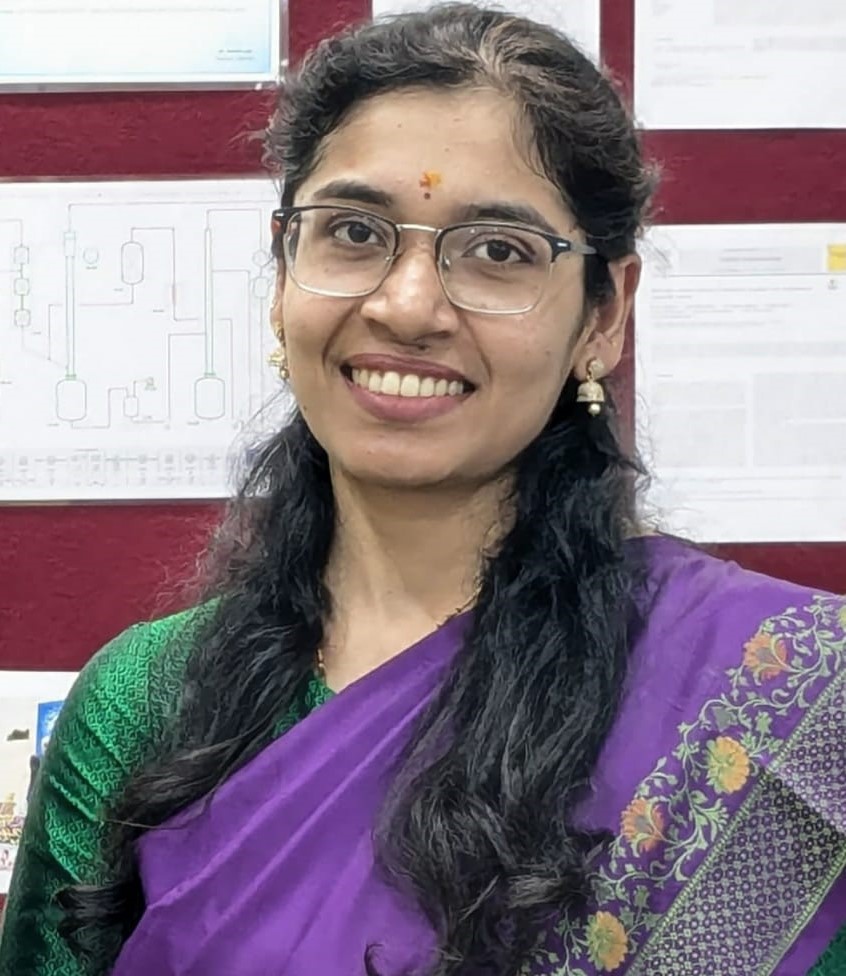
Dr. Niharika Joshi
Dr. Niharika Joshi works in the field of computational material with expertise in investigating magnetic systems. She received her doctorate degree from IISER Pune in 2021. Her main research area during her Ph. D tenure was layered materials and their interfaces with transition metal surfaces with a focus on spintronic/magnetic storage devices using computational tools based on density functional theory. In 2021 she joined CSIR-National Chemical Laboratory where her computational studies explored the catalytic behavior of complex mixed metal oxide surfaces for conversion of methane. Here, she received the National Post-Doctoral Fellowship and is currently pursuing her research work in heterogeneous catalysis. In her 13 years of research career, she has presented her work through poster and oral talks at various conferences, conducted workshops on computational tools, and published in distinguished international journals.
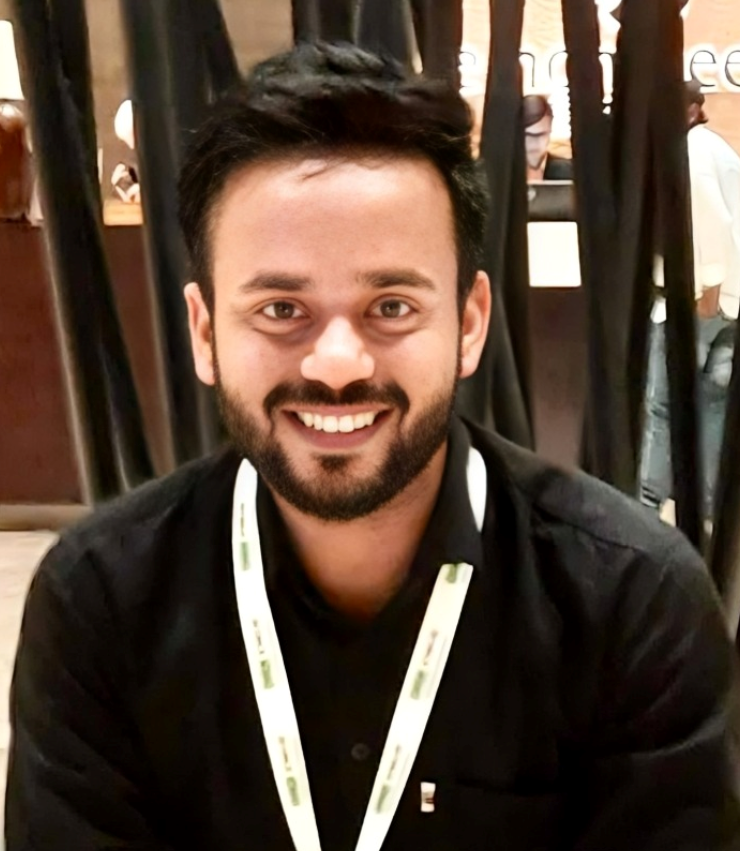
Dr. Sai Raj Ali
Dr Sai Raj Ali recently completed his PhD in Physics from Jamia Millia Islamia University, Delhi, with a focus on nanostructured materials and their catalytic properties. His research combines experimental synthesis of 2D materials and quantum dots with advanced density functional theory (DFT) simulations. He has hands-on experience with tools like Quantum ESPRESSO, AIMD, and COHP analysis, as well as scripting in Python and scientific visualisation.
Dr Sai has served as a Teaching Assistant in several international workshops and schools on electronic structure calculations and molecular dynamics, contributing to training and mentoring early-career researchers. He is currently expanding his expertise into data science and machine learning to develop interdisciplinary solutions in materials research.
Dr. Amit Sahu
Dr. Amit Sahu is an expert in multi-scale modeling for catalysis and electrocatalysis, with over eight years of experience using density functional theory (DFT). He earned his BS-MS from IISER Pune as an INSPIRE Fellow and completed his PhD at ENS de Lyon, France.
Currently, he is a postdoctoral researcher at Aix-Marseille University, France. Dr. Sahu has published extensively in high-impact journals and presented his work at several international conferences. He also served as a visiting researcher at the University of Ulm, Germany. His research focuses on understanding and designing catalytic systems/ electrode materials at the atomic scale to advance energy and sustainability solutions.
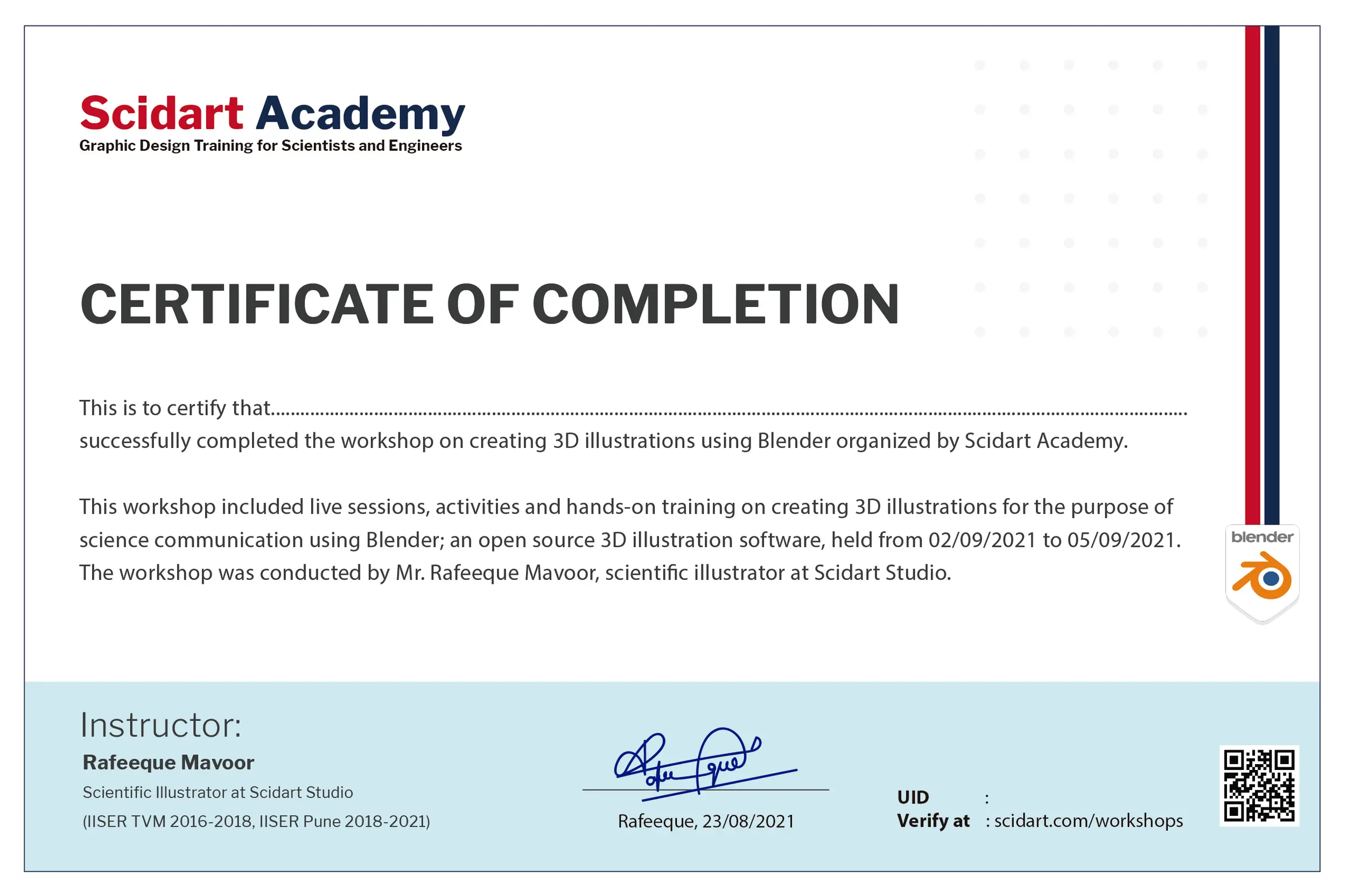
Yes! Once you submit your projects, you will receive certification for this workshop
Receive a certificate signed by the instructor and bearing the logo of the institution to validate your accomplishments and improve your career prospects.
Include the certificate in your CV or resume, or post it on LinkedIn. You may even share it on social media sites like Instagram and Twitter.
Use your certificate to boost your professional credibility and set yourself apart from the crowd!
Basic understanding of quantum mechanics, solid-state chemistry and physics, and Linux terminal usage is recommended.